
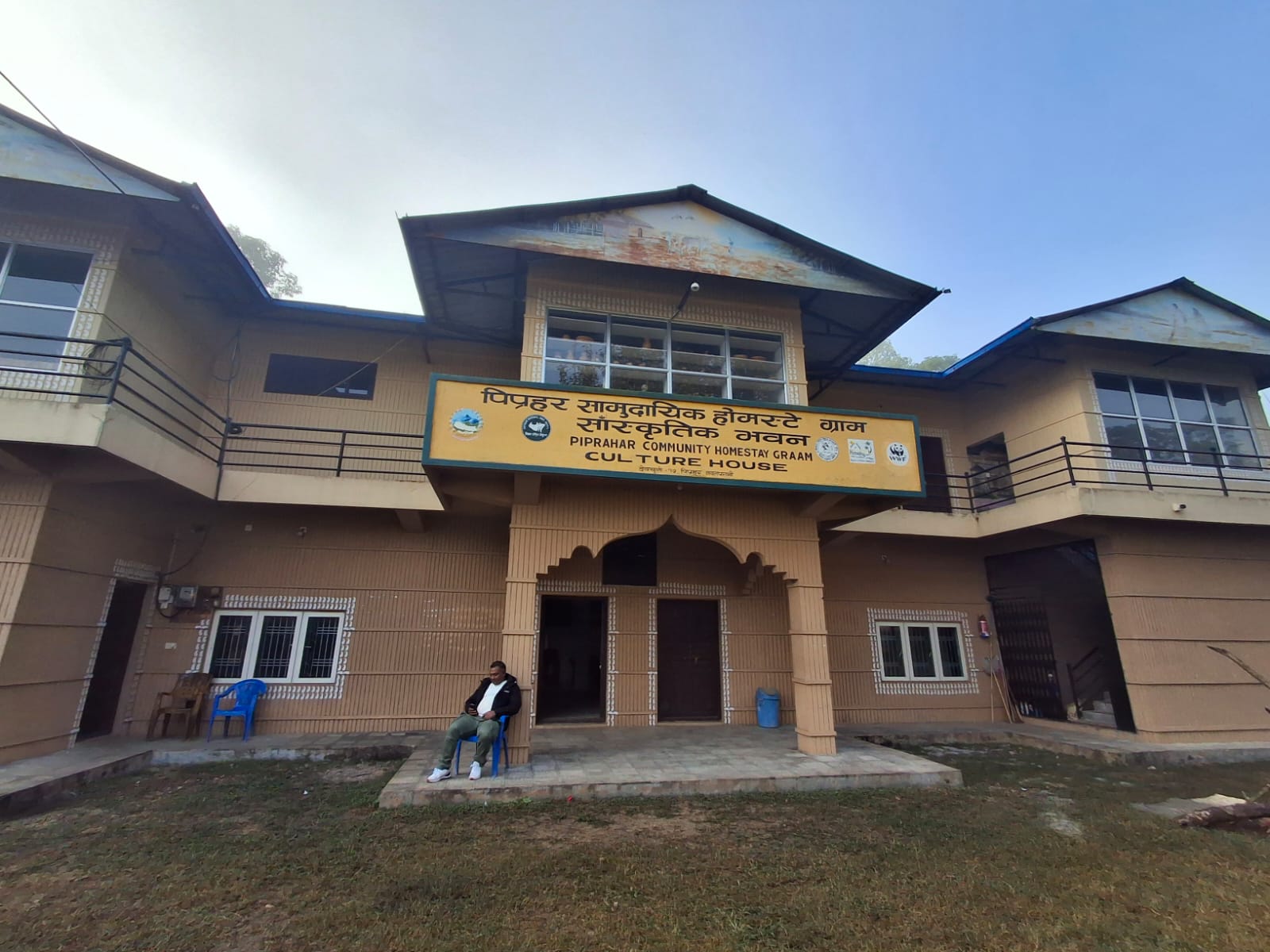
In Nepal’s rural landscape, culture is increasingly confined to oral memory. As generations change, traditional attire, household tools, lifestyles, and cultural practices are gradually slipping not into museums, but into oblivion. Against this backdrop, the Piprahar Cultural Museum, established in Piprahar of Devchuli Municipality–17, Nawalparasi district, stands not merely as a local initiative but as a living case study of community-based cultural preservation in rural Nepal.
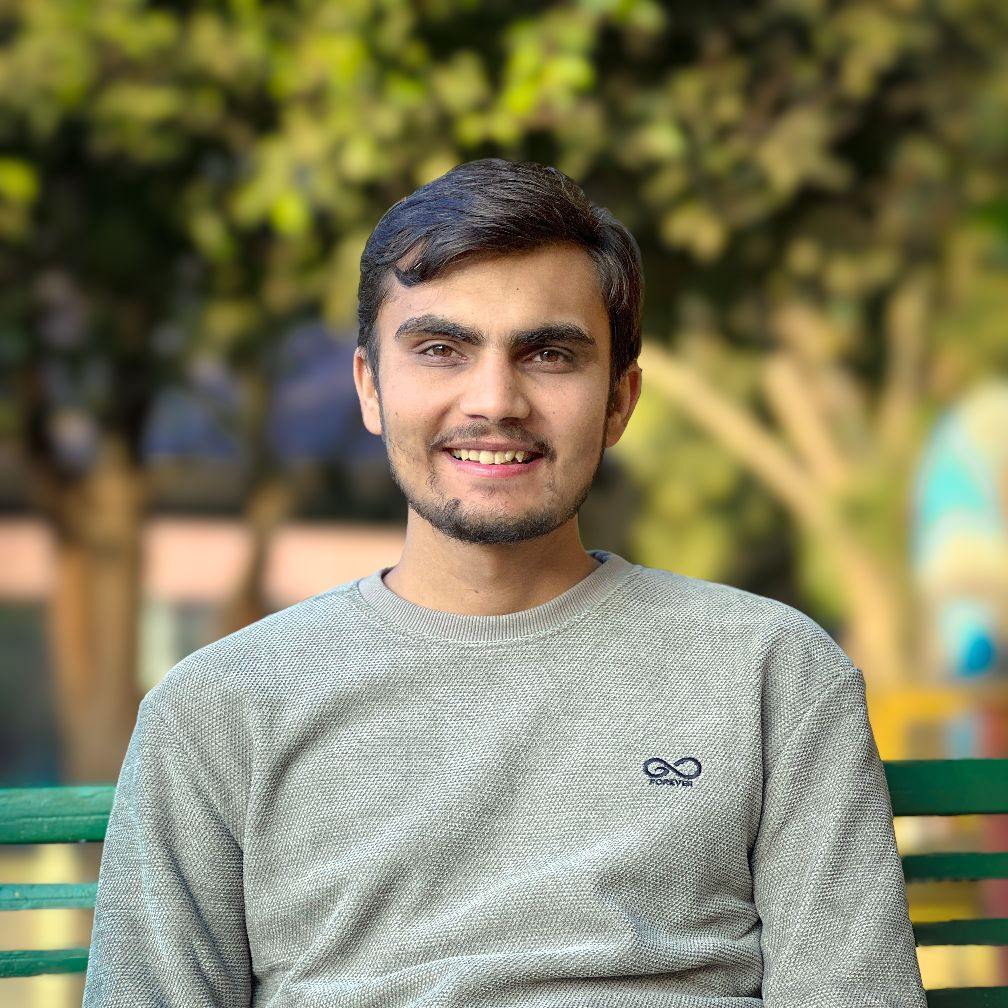
Operated by the Piprahar Community Homestay Village, the museum emerged from a growing concern over the rapid disappearance of local culture. The initiative is led by Somnath Mahato, a former Nepali Army personnel who returned to his village after retiring from service 11 years ago. While many retirees choose to migrate to cities or go abroad, Mahato took a different path. He chose to remain in his village, began operating a homestay, and gradually developed the idea of integrating a cultural museum alongside it.
As traditional household items, clothing, and cultural practices in the village began to vanish, a realization took hold: “If we do not preserve these now, history itself will disappear.” This realization became the foundation for the establishment of the museum.
The Piprahar area itself represents rich social diversity. Tharu, Magar, Bote, Musahar, Brahmin, and Chhetri communities coexist in the region, forming its unique identity. The museum makes a conscious effort to bring this diversity under one roof. At present, more than 250 artifacts have been collected. These items are not limited to any single caste or community; rather, they reflect the shared history of the communities residing in and around Piprahar.
One of the museum’s main attractions is its collection of 12 types of traditional attire. These garments represent not only ethnic identity but also the evolution of clothing over time. Household utensils, agricultural tools, and everyday objects offer visitors a tangible sense of past lifestyles. Traditional musical instruments such as the dholak, madal, damphu, khaijadi, and tabla highlight the continuity of musical heritage. A small number of historical photographs further connect oral history with visual evidence, strengthening the authenticity of the narrative.
The process of collecting these artifacts is itself a significant aspect of the museum. Most items were gathered by the curator through direct visits to households across the village, while many were voluntarily donated by local residents. This approach has ensured that the museum is not perceived as an externally imposed institution, but as a collective community effort. As a result, community participation is not symbolic but genuine and sustained.
Although the museum building is around ten years old, it remains structurally functional. It houses two exhibition halls, two storage rooms, an office, a meeting room, and a security room. Basic facilities such as separate toilets for men and women, safe drinking water, adequate lighting, and proper ventilation are in place. A small garden, waiting area, and designated photo spot enhance the visitor experience. However, the absence of disability-friendly infrastructure and clear informational signage indicates areas where improvement is still needed.
From a financial perspective, the museum currently relies on voluntary labor, local community contributions, and support from municipal and provincial governments. In its first year, the project received a grant of approximately NPR 1 million. Construction costs amounted to around NPR 15 million, with an additional NPR 1.5 million spent on furniture, indicating that this is far from a small-scale initiative. Despite this investment, insufficient budget allocation for artifact conservation, systematic display, promotion, and digitalization remains a major challenge.
At present, the museum operates free of charge. Although there is a plan to introduce a nominal entrance fee of NPR 30 per visitor, no fee has yet been implemented. According to Somnath Mahato, future plans include collecting entrance fees and depositing the revenue into a dedicated fund to support conservation, operation, and further development of the museum.
On average, the museum receives 50 to 60 visitors daily. Since museum visits are integrated into homestay packages, tourists gain not only accommodation but also an opportunity to understand local lifestyles and culture. Students visit the museum on a weekly basis, and alongside domestic visitors, the presence of some international tourists has also been observed. Visitor feedback has been largely positive, with traditional household items and clothing attracting particular interest.
From a social impact perspective, the museum plays an especially significant role. It has strengthened the community’s sense of ownership over its history. Participation by youth and women is notable, and through training programs, seminars, and cultural events, the museum is gradually evolving into an active community center. The fact that the nearby intersection is now popularly known as “Museum Chowk” reflects the level of social acceptance and recognition the museum has achieved.
However, challenges remain substantial. The lack of a sustainable financial source, limited technical expertise for artifact conservation, delays in digitalization, insufficient promotion, and competition from a nearby museum of a similar nature pose serious concerns. Although artifact inventories are maintained both in paper form and software, photographic documentation has yet to be fully completed.
Future plans, however, open doors to significant potential. Proposals include digitalizing the museum, developing a website, establishing a library, expanding the building, and seeking international collaboration. If these plans are successfully implemented, the Piprahar Cultural Museum could transcend its local scope and emerge as a nationally and internationally recognized model for study.
Overall, the Piprahar Cultural Museum stands as a profound case study of community-based cultural preservation and rural tourism development in Nepal. With limited resources but strong local ownership and long-term vision, it delivers a clear message: cultural preservation is not solely the responsibility of governments or donors—communities themselves can safeguard their history. Piprahar’s initiative is a compelling example of that possibility.
True cultural preservation is not driven by institutions alone; it emerges when communities take responsibility for protecting their living history.